Finance ·
Gold, Greed, and IOUs: The Accidental Origins of Modern Banking
A humorous look at the evolution of banking from ancient temples to modern finance, exploring how the system we know today emerged almost by accident.
By Abhay Sharma
Let's rewind 4,000 years. Spoiler: There were no apps.
Before we had net banking, UPI, and shady loan apps flooding our inboxes, we had temples. Yes—temples. Turns out, ancient Mesopotamians and Greeks weren't just praying in them. They were storing their valuables, grains, and possibly their entire life savings in these sacred buildings. Because what screams "secure vault" louder than a place full of gold statues and incense?
These temples basically moonlighted as the first banks.

Enter: The Original Bankers—Goldsmiths
Fast-forward to medieval Europe. People start handing over their gold to goldsmiths for safekeeping. In return? A receipt. Just a piece of paper that said, "Yes, I owe you this shiny stuff."
Then someone—probably named Geoff or Roger—had a brilliant idea: why not just trade the receipt instead of going back for the actual gold? Thus, the paper money system was born. Because nothing screams financial responsibility like handing strangers IOUs and hoping for the best.
Goldsmiths quickly realized that people weren't collecting all their gold at once. So naturally, they started lending out gold they didn't technically have on hand. Risky? Absolutely. But profitable? Oh, you bet.
Fractional Reserve Banking: A Fancy Term for "Let's Hope Nobody Notices"
The concept of fractional reserve banking is simple. Keep a fraction of the deposits, lend out the rest. You deposit ten gold coins? The goldsmith keeps one, lends out nine, and prays you don't ask for your coins back at the same time as everyone else.
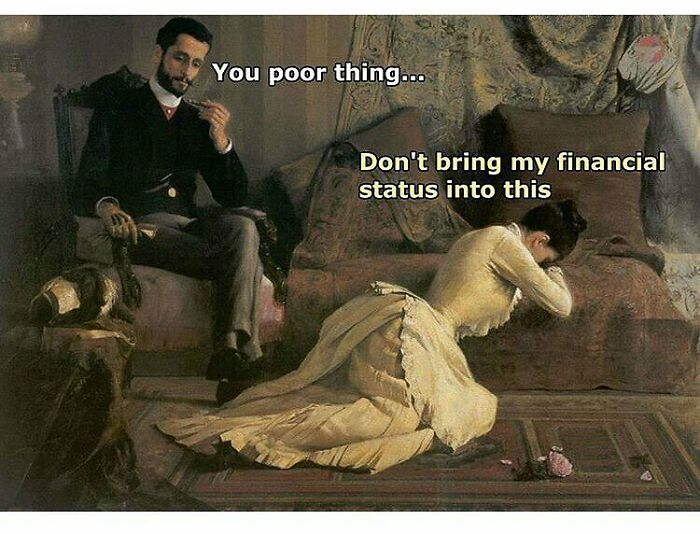
This clever little model still underpins modern banking. Except now, it's computers and central banks playing the guessing game.
Banking Gets a Renaissance Glow-Up
Italy. 15th century. The Medici family wasn't just good at power games—they also knew how to run a global bank before the term even existed. Branches, ledgers, letters of credit—they made it fashion.
They also popularized double-entry bookkeeping, because even back then, people needed a way to keep track of who owed whom.

Governments Get Involved. It Gets Serious.
Eventually, kings realized they could borrow money too (because why not?) and national banks started popping up. The Bank of England was founded in 1694, largely to fund war. Because nothing motivates fiscal innovation like needing more swords.
So, Where Are We Now?
Now we've got digital wallets, crypto coins, and meme stocks. But the core of banking? Still kinda the same. Take in money. Lend it out. Pretend you have more than you do. Keep everything running on trust, math, and a little bit of denial.
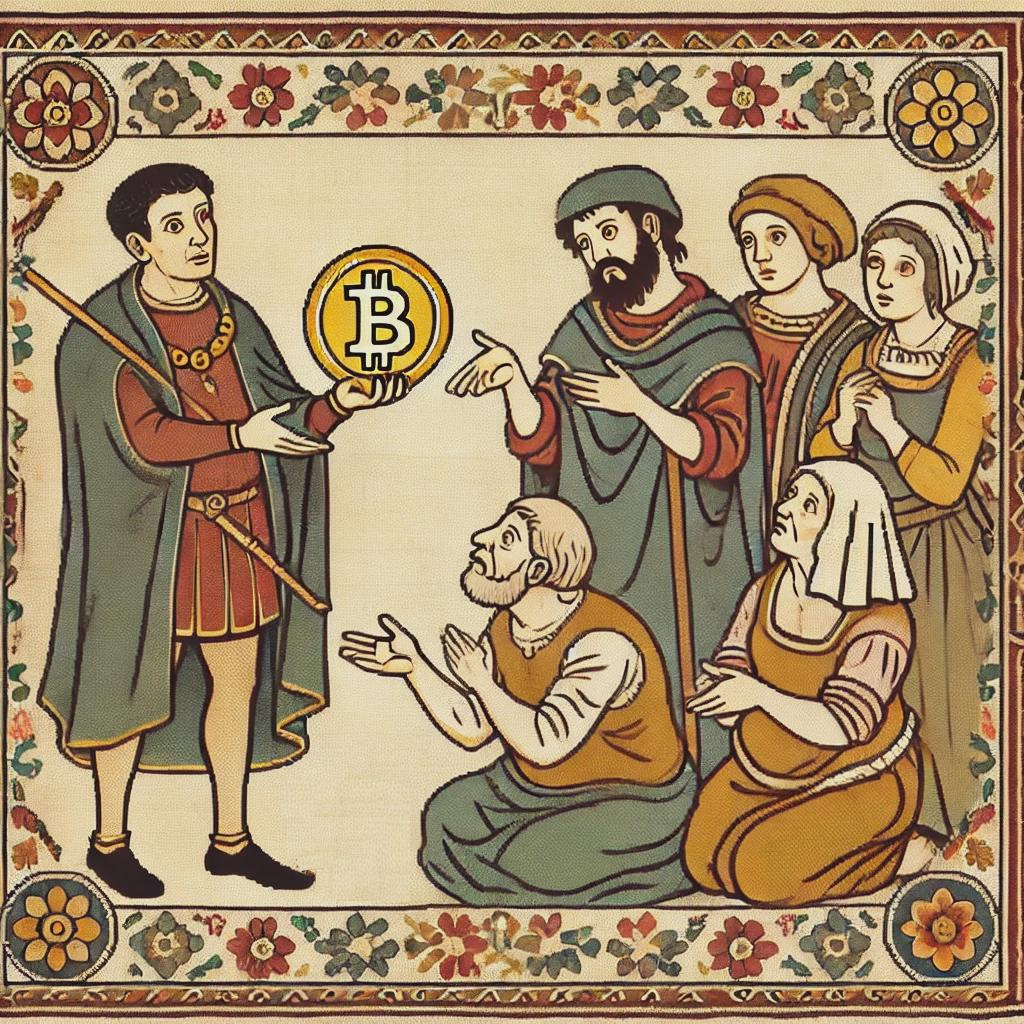
Funny how 4,000 years later, we've gone from sacred temples to finance bros glued to ten monitors and spreadsheets, but the basic recipe hasn't changed.

TL;DR
Banking wasn't planned. It just sort of… happened. And then evolved into the system that runs the world today. Gold, trust, paper, and prayers. Some things never change.