Marketing ·
The End of Third-Party Cookies: What It Means for Marketers
Third-party cookies are going away. Here's what performance marketers need to know about the shift to privacy-first tracking and what it means for attribution.
By Abhay Sharma
The cookie is crumbling
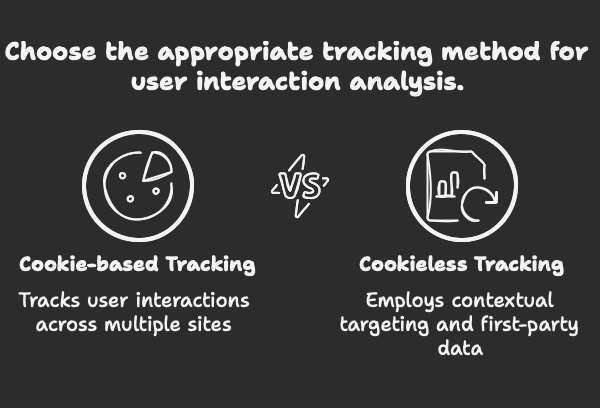
If you've been in performance marketing for more than five minutes, you know that third-party cookies have been the backbone of digital advertising. They're how we track users across sites, build audiences, measure conversions, and optimize campaigns.
But that era is ending. Google Chrome — the last major holdout — is phasing out third-party cookies. Safari and Firefox already block them by default. And the implications for marketers are massive.
What actually changes?
Without third-party cookies, the biggest impact is on:
- Retargeting: Can't follow users across sites anymore
- Attribution: Multi-touch attribution becomes harder
- Audience building: Lookalike audiences lose signal quality
- Frequency capping: Harder to control ad exposure
What should marketers do?
The shift is real, but it's not the end of performance marketing. Here's what smart teams are doing:
1. First-party data is king. Build your own data moats — email lists, app installs, logged-in experiences. The brands that own their data will win.
2. Server-side tracking. Move conversion tracking server-side. Facebook's Conversions API and Google's Enhanced Conversions are table stakes now.
3. Contextual targeting is back. Instead of targeting users, target content. It's less creepy and often just as effective.
4. Media mix modeling. When you can't track everything at the user level, zoom out. MMM helps you understand channel-level impact without cookies.
The bottom line
The death of third-party cookies isn't the death of digital marketing. It's the death of lazy digital marketing. The marketers who adapt — who invest in first-party data, server-side tracking, and smarter measurement — will come out ahead.
The ones who don't? Well, their campaigns will have a 0% CTR. And not in the ironic 404-page way.