Evolution ·
The Bipedal Tax: Why Evolution Made Us Pay for Walking Upright
A humorous look at how walking on two feet changed human evolution forever, from structural changes to chronic back pain—was the upgrade worth it?
By Abhay Sharma
Early humans didn't sign up for lower back pain
The other day when I booked an auto to my office and realized how stupid commuting is in the digital age, I started thinking about my nani, who was a school teacher and had to commute to her school to teach young & annoying snotty children.
This led to me thinking about my great(x400) grandma who must have had to commute to her field some 10,000 years ago. I am pretty sure my great (x75000) grandma would not have had to commute to work, because there was no work, she'd just chill on the grasslands.
So what changed? What is it that makes us humans who commute to work different from humans who hung out in trees?
We're All Related (Yes, Even to Those Gibbons)
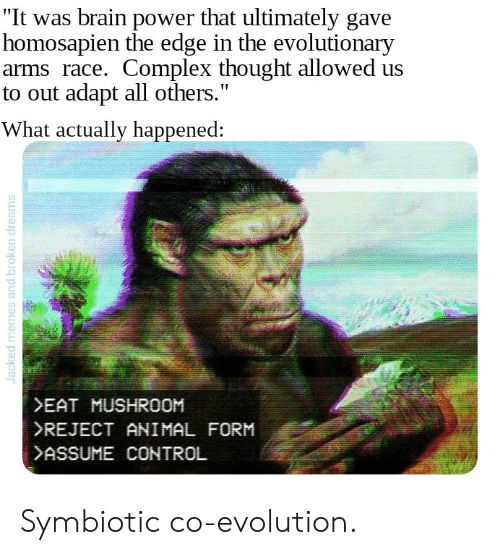
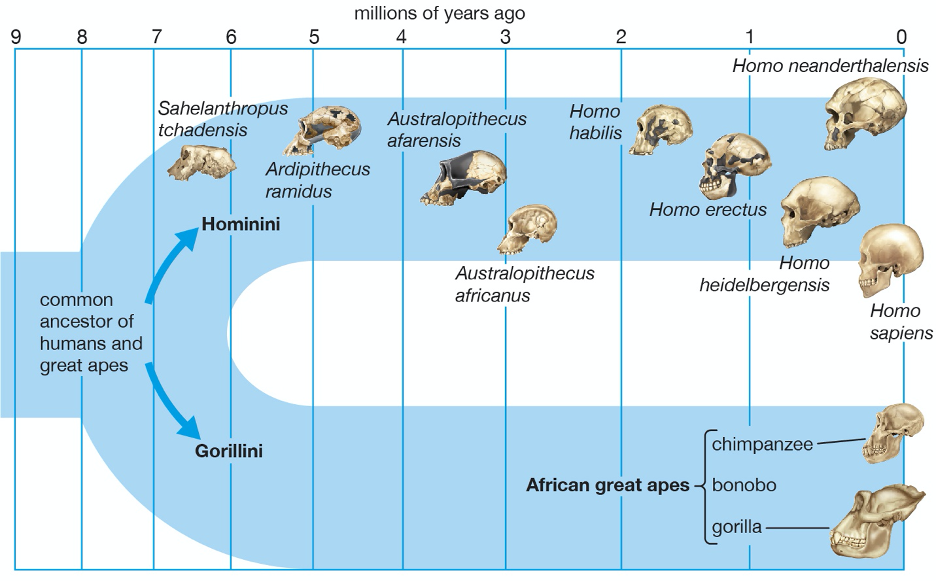
According to Darwin & some more smart people and the unifying principle of biology, we now know that all animals are related to each other through vastly long periods of time. Our own closest family is made up of "Lesser apes (only gibbons, lol)" & the "Greater apes".
Over the course of 6 million years of evolution from the same common ancestor as the giant apes of Africa & the Gibbon, early humans continued to adapt and adopt specific qualities that defined us.
Standing Up Was Step One (Literally)
We did not emerge as TikTok-addicted, cigarette-smoking & coffee-snorting mind fucks overnight. While we claim that fire was the most important factor in our survival, we often overlook one important factor: being able to walk on two feet or being Bi-Pedal. It was one of the first traits that evolved very early on in this journey.
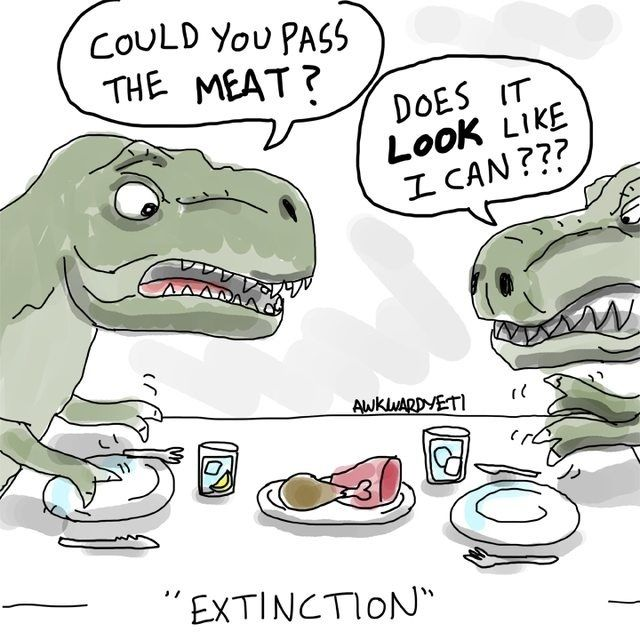
Way before they began to use tools, early humans began walking upright. The most important turning point in human evolution was when humans became bipedal because it provided us a set of free limbs that no one else in the animal kingdom possessed (maybe T-rex had them, but they weren't very useful).
Habitual Bipedalism, or walking and running on two legs, is the distinctive feature of the human lineage.
Before becoming bipedal 6 million years ago, humans were semi-bipedal and climbed trees, which expanded the amount of real estate they covered while living in jungles and grasslands, and walking upright surely helped when it came to hunting huge animals in groups.

The Power of the Knees (A 4-Million-Year-Old Upgrade)
What began 6 million years ago with a slight mutation in the femur led to the evolution of a Strong knee in only the next 2 million years.
So, 4.1 million years ago, this happened.
Every stride requires you to stand on one leg for a brief period of time, causing strain on your leg bones. This stress resulted in a wide area of bone right below the knee joint in Australopithecus anamensis. It demonstrates unequivocally that this person walked upright.

The Human Spine: Beta Edition
The beta version of the human back was widely accepted by 2.5 million years ago, and it was time for a more stable version.
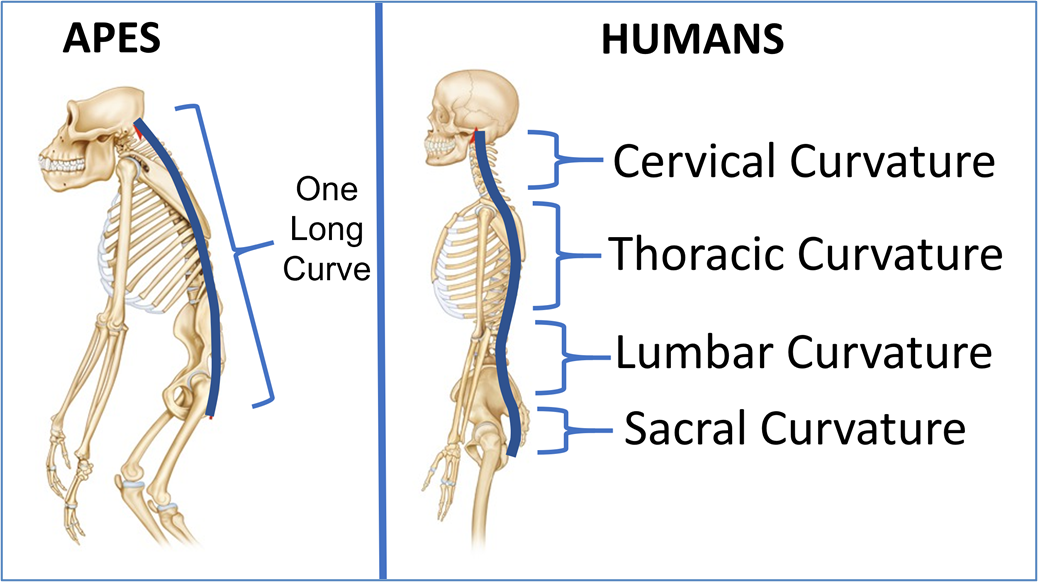
When you walk, the curvature of your lower back absorbs impact. It is distinctively human. The spine of early human, Australopithecus africanus, which walked upright in a manner similar to modern humans, had a similar curvature.
But at What Cost?

Back pain and other structural issues are rather common in modern humans as a result of walking upright. All of our weight being distributed on just two limbs can result in severe consequences such as lower back ache, slipped discs, hip and knee arthritis, and collapsing foot arches.
The Final Version: Homo Erectus
Humans became fully bipedal 1.9 million years ago.
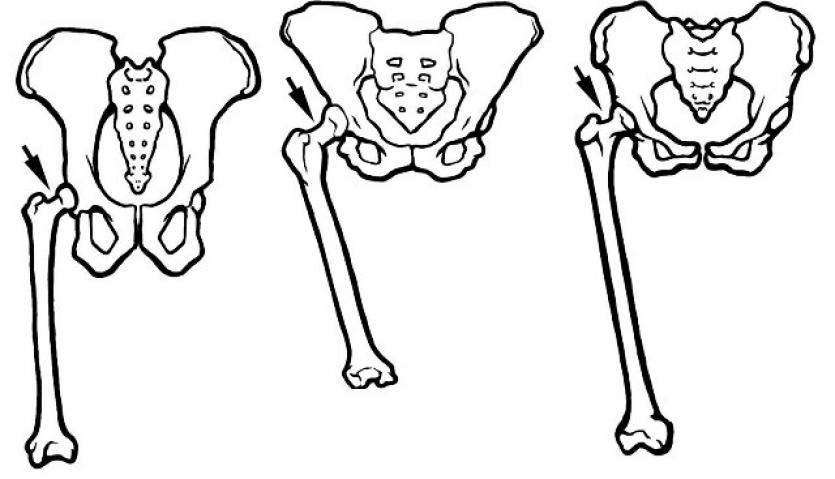
The pelvis and thigh bones of Homo erectus are identical to those of modern humans, indicating that this early human could walk considerable distances. This talent was quite useful during this time period. East Africa's conditions were alternating between wet and dry, and open grasslands were spreading.
Because of its large thigh bones, Homo erectus was able to take longer steps and hence move farther and quicker than earlier humans.
The Walking Economy: Why Two Legs Won
According to studies, modern humans walk far more efficiently than chimps (I presume this is where "kitna deti hai" came from), covering about double the distance for the same number of calories.
The improved walking economy could provide a significant evolutionary advantage, allowing early hominins to range farther without increasing daily energy costs, or to channel more energy toward increased reproduction, longer life spans, larger brains, and other metabolically expensive tendencies that distinguish humans.
Humans are also superior runners when compared to other primates, raising the possibility that selection for endurance abilities, particularly long-distance running, had a role in defining the human lineage.
The Trade-Off
So what did we get for our lower back pain?
- Free hands to make tools and weapons
- Better field of vision across grasslands (to spot predators and prey)
- Ability to carry more food and resources back to our groups
- More efficient locomotion for long-distance travel
- Energy saved from efficient walking could be redirected to brain development
Was the trade worth it? My back says no every morning, but my smartphone and coffee machine suggest otherwise.
TL;DR
Standing up was our first major evolutionary upgrade, giving us free hands to create everything from spears to smartphones. The cost? A lifetime subscription to back pain that we're all still paying for.